
Ghana calls for reparations from UK for ending their slave trade
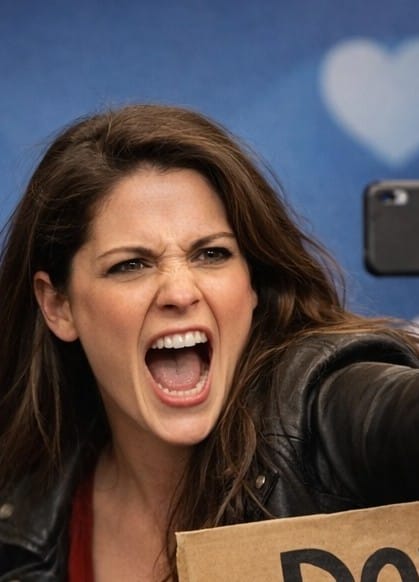
Ghana has caused a diplomatic stir at the United Nations by issuing a demand for reparations from the UK. The reparations are for the suppression of the highly profitable transatlantic slave trade
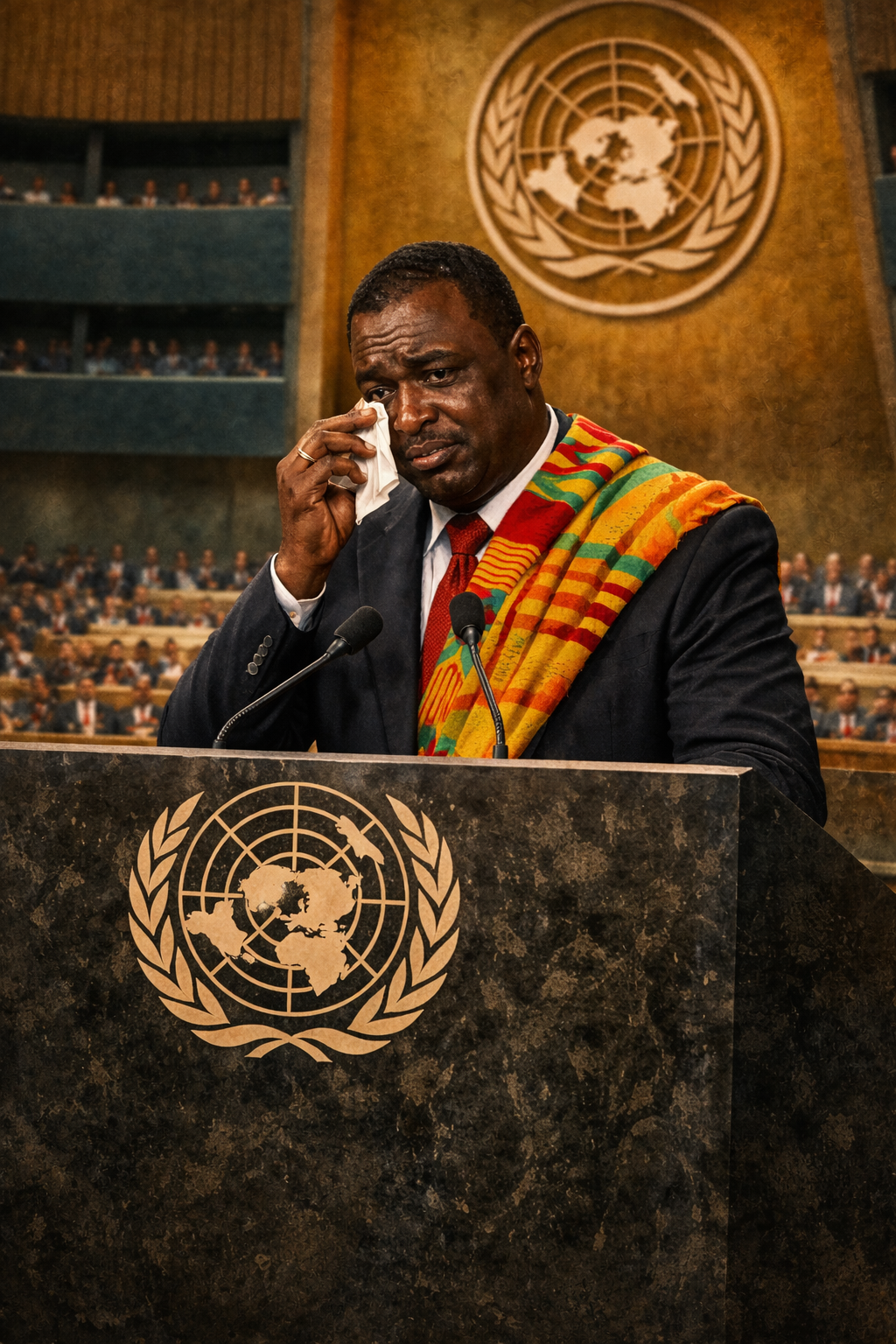
Ghana has caused a diplomatic stir at the United Nations by issuing a demand for reparations from the UK, and the Royal Navy in particular.
The reparations are for the suppression of the highly profitable transatlantic slave trade, which causes significant financial losses for west African slave traders.
The resolution was proposed by Ghanaian Foreign Minister Augustus Bongo-Bandit, who delivered an emotional address to the General Assembly detailing the historic injustices suffered by his ancestors.
Fighting back tears, Bongo-Bandit recounted how his ancestors had been shot by the Royal Navy after their boat was caught transporting 750 slaves across the Atlantic.
"The actions of the infamous 'West African Squadron' fatally disrupted my ancestors thriving human logistics operation, just as they were on the brink of scaling. The actions of the Royal Navy put my family into poverty, with the rest of the people they had governed"
According to Bongo-Bandit, his government also estimated that the end of the slave trade had cost £475 billion to the slave traders at current market prices. This figure did not include emotional damages for the interruption of intergenerational trafficking businesses.
He was supported in his demand by Arab dignitary Sheikh Themdown, who also lashed out at Britain's role in ending their lucrative slave trade. Sadly he refused to answer any questions from the OMS since our reporter was a woman.
The UK Government has historically refused to comment on claims for reparations. However, the UK representative to the UN, Sir Ender Gently, told the General Assembly that he was 'sorry', not for any particular action but just as a general British thing.
Academic support for such reparation has also emerged. Professor Abet Ofaprat of SOAS University of London, a leading figure in Grievance Studies within the Culture War Department, argued that the Royal Navy’s actions constituted “an abrupt colonial intervention into traditional African practices,” as well as “a grave violation of the sovereignty of historically recognised warlord structures.”
Professor Ofaprat told the OMS "Britain likes to pretend this behaviour was in the past, but their actions in Kosovo and Sierra Leone still show that they are capable of intervening in the internal affairs of sovereign states."
In a statement, the Royal Navy acknowledged that, with hindsight, aspects of its 19th-century operations may have fallen short of modern expectations.
“We recognise that our actions may have disrupted a number of heritage industries,” the statement read. “Furthermore, it is clear that naval commanders of the period did not conduct adequate stakeholder consultation with impacted traffickers, nor sufficiently centre indigenous entrepreneurial voices.”
Antoinette Fernandez, the 'global majority Greens reparations officer' (Editor - this is a genuine title not a parody) tweeted her support for reparations.
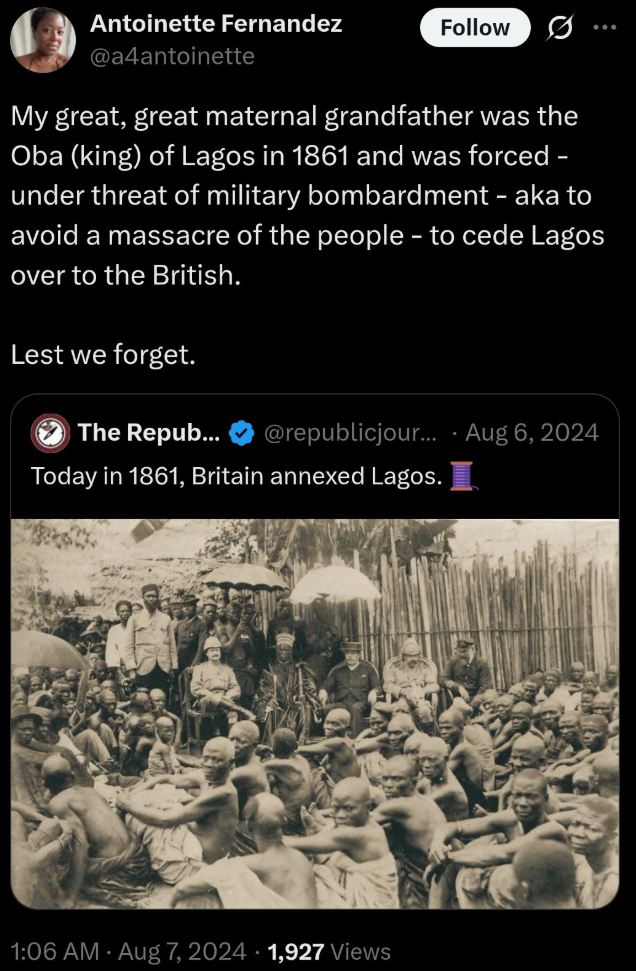
Ms Fernandez, whose family history includes extensive involvement in the transatlantic trade, emphasised the importance of recognising “entrepreneurial heritage within marginalised communities,” adding that “trauma does not discriminate based on business model.”
Ms Fernandez and her family, who now all reside in social housing in zone 1 London, overcame the loss of their slave-trading business by developing a successful new business in grifting.
She claims reparations should include people like her, and she is now asking for even more taxpayers money, despite literally being born in the UK.
Meanwhile, Labour MP Anne Tagonist has called on the UK Government to meet the demands in full, warning that failure to do so would “raise serious questions about Britain’s ongoing commitment to equity, justice, and whichever framework we are currently applying.”
The proposed reparations package would compensate for what has been described as the “devastation of a vibrant pre-colonial supply chain ecosystem,” as well as the long-term psychological impact of having one’s business model abruptly declared immoral.
At time of writing, UN officials confirmed that discussions are ongoing, with several delegates stressing the importance of ensuring that no future historical atrocity is ever ended without first conducting an impact assessment on the commercial consequences for evil doers.
Enjoying this post?
If you want to read more of Perpetua Indignatia, please subscribe.
News
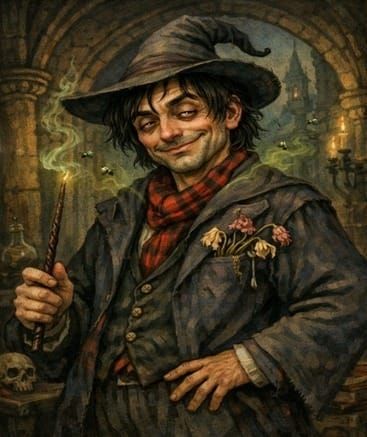
JK Rowling in character naming controversy
A major scandal arose last night as it emerged that someone who wrote a book decades ago contains storylines and characters which reflected the attitudes of provincial Britain at the time.
Thinktank concludes concern about immigration actually about something else
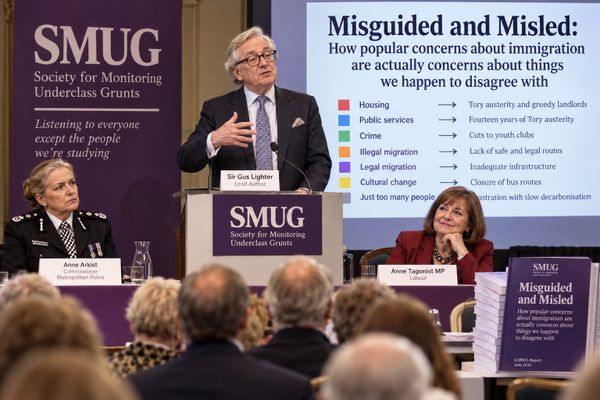
Concern about immigration is actually about something other than immigration, concludes a report issued by a prestigious liberal think-tank.

British series of superhero films to be developed
The British Film Institute (BFI) is to develop a series of British superhero films, in an initiative spearheaded by the Department for Culture, Media and Sport (DCMS).
Anti-Brexit campaigners adopt ‘Drive Right’ as new form of direct action
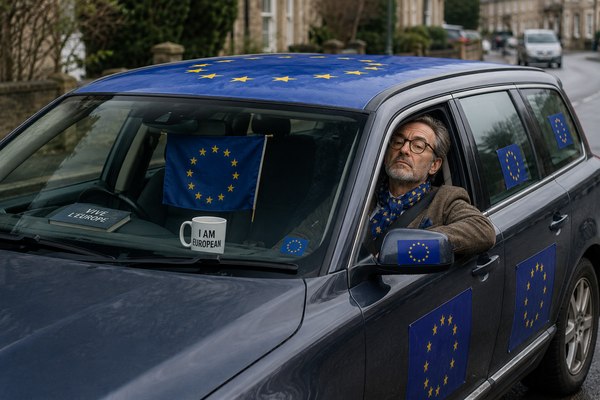
Anti-Brexit campaigners across Britain are adopting a controversial new form of direct action in which protesters deliberately drive on the right-hand side of the road to demonstrate their continuing commitment to Europe.