
Anti-Brexit campaigners adopt ‘Drive Right’ as new form of direct action

Anti-Brexit campaigners across Britain are adopting a controversial new form of direct action in which protesters deliberately drive on the right-hand side of the road to demonstrate their continuing commitment to Europe.
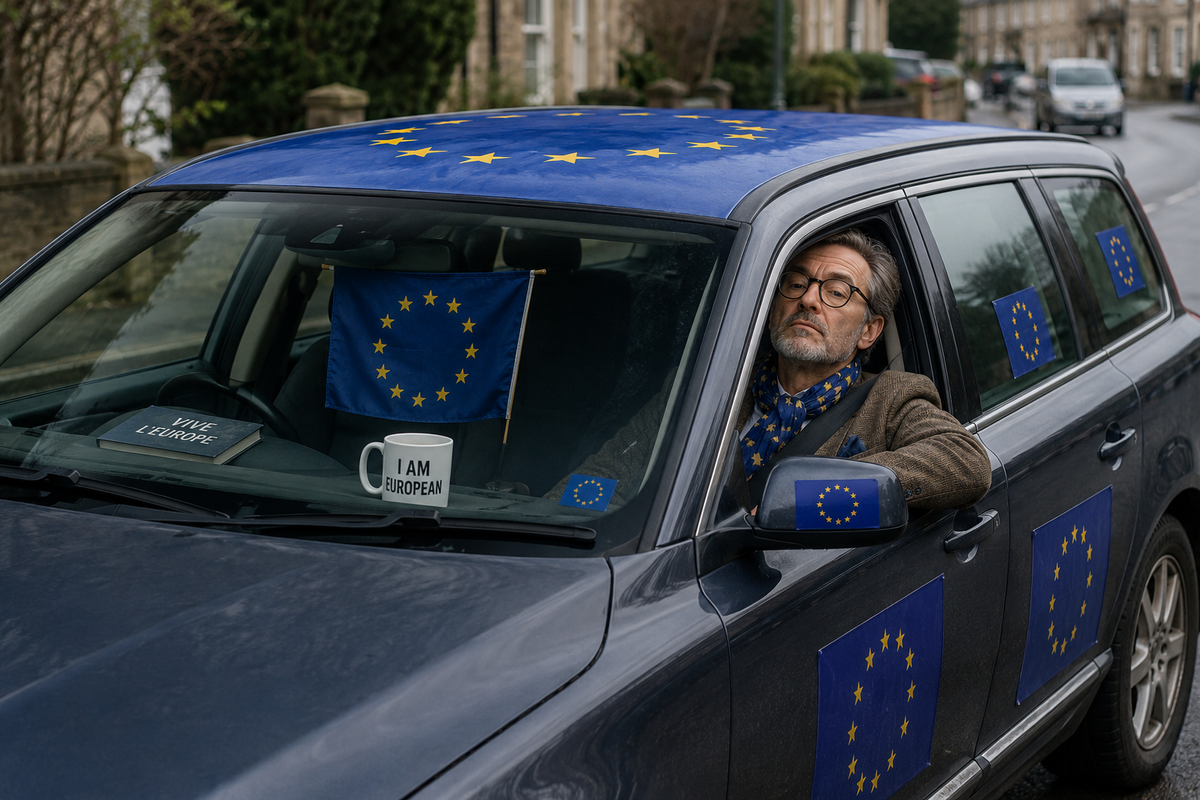
Anti-Brexit campaigners across Britain are adopting a controversial new form of direct action in which protesters deliberately drive on the right-hand side of the road to demonstrate their continuing commitment to Europe.
The protest, known as ‘We're Right so Drive Right’, began as a solitary act of resistance by retired civil servant and committed Europhile Gus Lighter, who started driving on the right earlier this year as a personal statement against Brexit.
However, the campaign has begun attracting support among pro-EU activists frustrated by the failure of more traditional methods to reverse Britain’s departure from the European Union.
Organisers say the campaign represents a significant escalation from previous forms of anti-Brexit activism, including displaying EU flags at the Proms, adding ‘FBPE’ to social-media profiles and telling people at dinner parties that they are “European first and British second”.
Speaking at the launch of the first organised Drive Right for Europe event in Richmond, Mr Lighter said:
“For ten years we have marched. We have petitioned. We have posted European flag emojis. We have stood outside Parliament wearing blue berets.
And has any of this worked? Incredibly, no. Britain is still outside the European Union.
At some point resistance has to move beyond symbolism. If the Government refuses to take Britain back into Europe, then we will bring Europe to Britain — one carriageway at a time.”
‘The right side of history’
Under guidance distributed to supporters, participants are encouraged to display EU flags prominently on their vehicles before entering British roads on the right-hand side.
Drivers encountering oncoming traffic are advised to remain calm, maintain their European identity and remember that “social change frequently makes people uncomfortable”.
Campaign organisers particularly recommend dual carriageways because they provide what the guidance describes as “maximum public engagement”.
Supporters have also been issued with bumper stickers carrying slogans including ‘If You’re Right, Drive Right’, ‘Take Back Control of Your Lane’ and ‘Honk If You Regret Brexit’.
The Metropolitan Police has strongly advised motorists not to participate. In a statement, a spokesperson said:
“Driving on the wrong side of the road is not a recognised form of peaceful protest.
It is extremely dangerous and may result in arrest, serious injury or death.
Motorists encountering vehicles travelling towards them are advised to concentrate on avoiding a collision rather than attempting to establish the driver's position on European integration.”
Mr Lighter dismissed the warning as “classic Brexit establishment scaremongering”.
“They keep saying we're driving on the wrong side of the road.
But we're driving on the right side of history.”
Campaign spreading
Several local anti-Brexit groups are now understood to be considering adopting the tactic. The newly established Motorists for Europe campaign hopes eventually to organise convoys on major roads, with activists simultaneously switching lanes in what organisers have described as a “mass continental alignment”.
Plans for a demonstration on the M25 have temporarily been postponed after organisers discovered that driving clockwise or anticlockwise around a circular motorway does not have an obvious European dimension.
Instead, campaigners are considering a coordinated protest at Dover.
Under provisional plans, several hundred motorists would leave the ferry terminal and immediately begin driving according to French traffic regulations.
Organisers believe the resulting disruption would provide a powerful visual representation of the difficulties caused by Brexit. Critics have suggested it would provide a powerful visual representation of a multiple-vehicle collision.
‘Civil disobedience has never been convenient’
Mr Lighter acknowledged that the campaign involved risks but said opponents of social progress had historically made similar arguments.
“People told the Suffragettes they were disruptive. They told Gandhi he was breaking the law. They told Rosa Parks to move.
And now they're telling me I can't drive directly towards a Nissan Qashqai outside Guildford.
History has a word for people like that: reactionaries.”
Campaigners have also rejected accusations that their actions could inconvenience ordinary members of the public.
Drive Right spokesperson Caroline Fleury, 46, from Islington, explained:
“Civil disobedience isn't supposed to be convenient. If somebody has to mount the pavement because I'm exercising my European identity, perhaps they should ask themselves why they're so threatened by diversity.”
She added that the campaign was deliberately targeting motorists because research suggested that Leave voters were disproportionately likely to own “something unnecessarily large made by Land Rover”.
Mr Lighter remains confident that Drive Right could ultimately force politicians to reconsider Brexit.
“Imagine a million Europeans-at-heart peacefully driving down the right-hand side of Britain's roads.
Could the Government really ignore us?
Is the Government really going to arrest us in our millions?"
Police subsequently ended the launch event after three campaigners entered a roundabout clockwise and became trapped for approximately eleven minutes.
Despite this, organisers declared the demonstration an overwhelming success. Drive Right claimed 15,000 people had attended, although police estimated the figure at closer to 250.
Enjoying this post?
If you want to read more of Paige Turner, please subscribe.
News
Labour MP stands down to allow a challenge to Andy Burnham
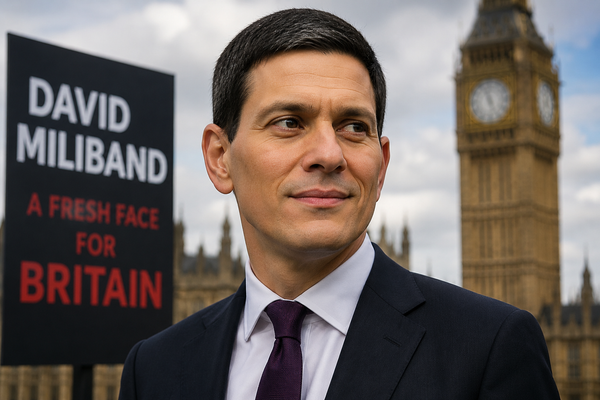
Plot to unseat Andy Burnham begins as a Labour MP stands down to allow David Miliband to re-enter parliament.
Big Ben to be replaced by ‘Massive Mohammed’ in landmark inclusivity drive
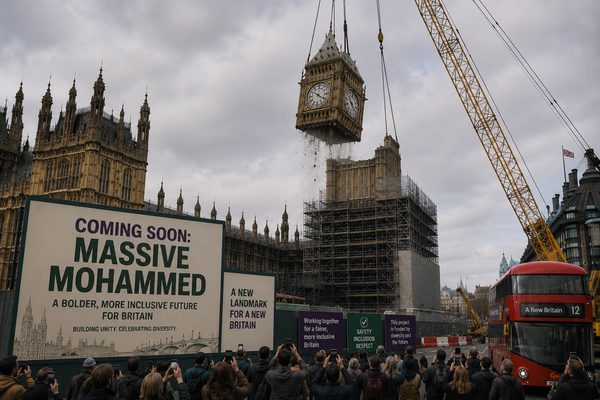
The Government is understood to be considering plans to replace Big Ben with a significantly larger monument provisionally titled “Massive Mohammed”, in what insiders describe as a bold attempt to modernise Britain’s image, both to British citizens and to potential antagonists abroad.

Company ends gender pay gap by just recruiting young men
An engineering company in the Midlands has been hailed as a model of workplace equality after abolishing its gender pay gap within a twelve month period through a pioneering approach which could be extended across the British economy.
Police to turn off body cameras after complaints from BAME MPs
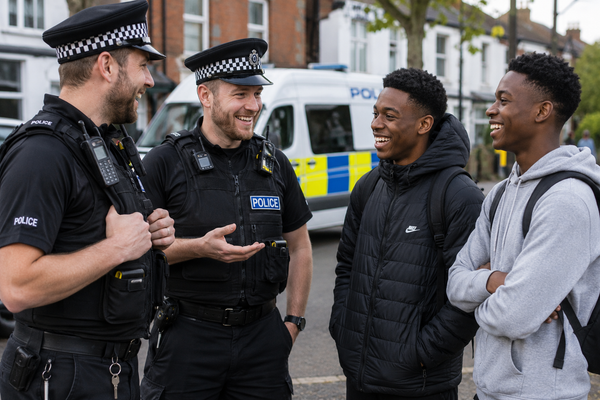
The Metropolitan Police have confirmed that they will reverse their previous policy of forcing police officers to wear body cameras, following complaints that such video evidence is undermining the perception of institutional racism.